
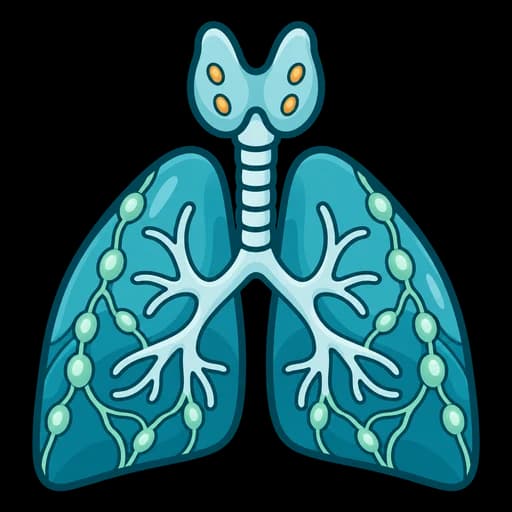
Suspected pulmonary embolism
V/Q scans can help assess for blood clots in the lungs, particularly when other tests are not suitable.
Pulmonary Imaging
Lung scans that show blood flow and airflow.
Lung perfusion and ventilation/perfusion (V/Q) scans to help assess blockages in the lung’s blood supply and how well different regions of the lung work.
With Dr. Noaline Sinha, Nuclear Medicine & Radiotheranostics.
Artemis Hospital, Sector 51, Gurugram
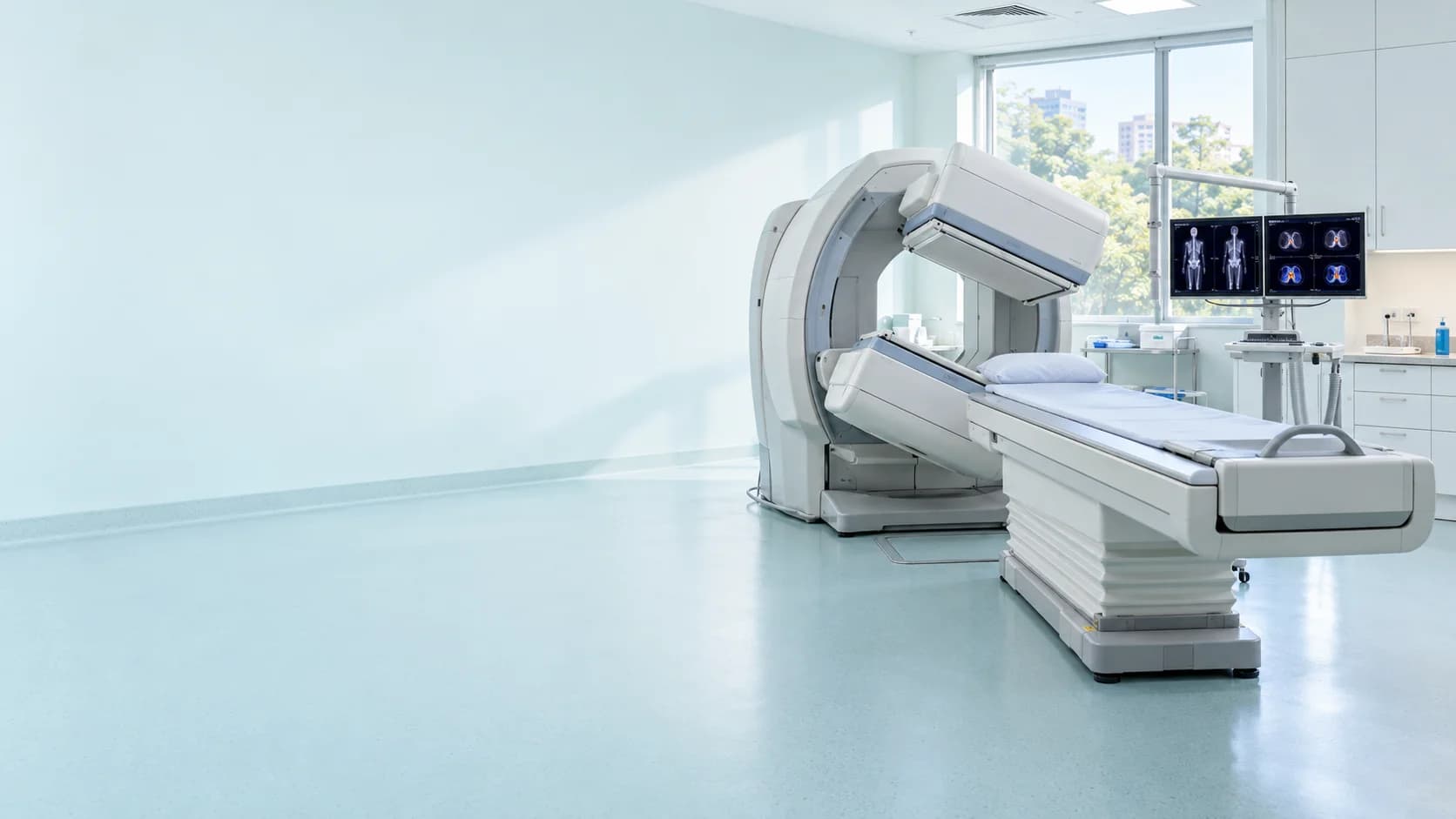
About Pulmonary Imaging
In a perfusion scan, a tracer in the bloodstream shows where blood reaches the lung. In a V/Q scan, this is compared with images showing where air reaches the lung. A mismatch between the two can point towards a blockage in the lung’s blood supply.
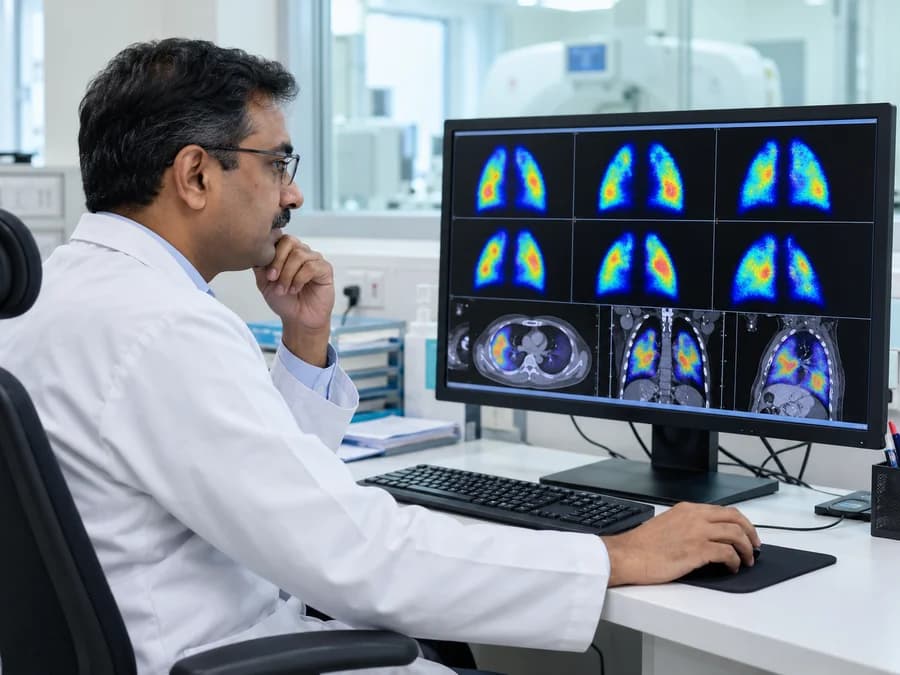
Shows how blood is distributed through the lungs and can show areas that receive less flow.
Adds a ventilation study, so that airflow and blood flow can be compared in each region of the lung.
Your doctor will advise which study is appropriate for your clinical question.
Share your details and our team will get in touch.
Studies Included
Each study is chosen to match the clinical question. This list is provided for patients and for referring clinicians.
2 studies
When It May Help
Your doctor recommends imaging based on your symptoms and clinical needs.
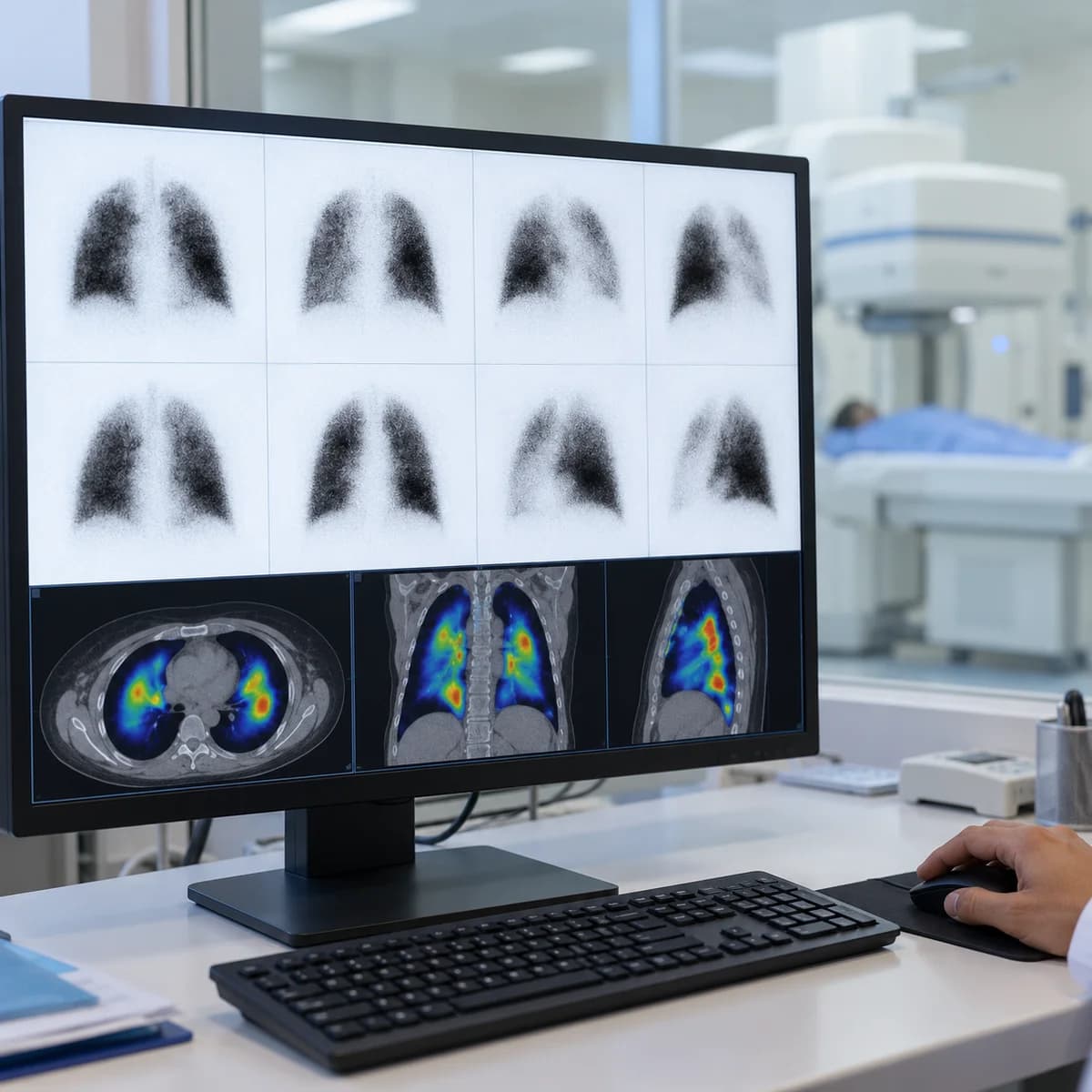
V/Q scans can help assess for blood clots in the lungs, particularly when other tests are not suitable.

Looking at how well lung blood flow has recovered after treatment.

Perfusion scans show how much each region of the lung contributes, which can help in planning some treatments.
Findings are one part of the information your doctor uses to plan your care.

Your Visit, Step by Step
What happens during a gamma camera or SPECT-CT visit.
The team reviews your referral and relevant medical history.
A tracer is administered, followed by a resting period.
You lie on the scanner table while images are acquired.
The team explains the next steps and reporting process.
The exact process depends on your scan and clinical needs.
Before Your Visit
Bring the referral and any recent chest X-ray or CT reports and images, as they are compared with the scan.
Tell the team about asthma, COPD, oxygen use or other breathing problems.
For a V/Q scan you will breathe a tracer through a mask or mouthpiece. The team will show you how before starting.
Let the team know before your appointment.

Preparation varies by study. Contact the team if you are unsure about any instruction.

For Referring Clinicians
A short guide for referring doctors.
The clinical question, relevant history, biochemistry or histology where available, and previous imaging reports.
The studies listed on this page are chosen to match the clinical question. If you are unsure which is most appropriate, we are happy to help.
Studies are reported by a nuclear medicine physician, and findings can be discussed with the referring team.
Call or write before referring if you would like to discuss suitability or timing.
Questions before you refer? Contact Dr. Sinha directly.

Your consultant
Chairperson of the Department of Nuclear Medicine & Radiotheranostics, with over 25 years in molecular imaging and radionuclide therapy.
Over 25 years in nuclear medicine, leading the Department of Nuclear Medicine & Radiotheranostics.
Certified Radiation Safety Officer (RSO-II) by the Atomic Energy Regulatory Board.
Works alongside referring and treating clinicians on every case.
Dr. Noaline Sinha
Chairperson, Nuclear Medicine & Radiotheranostics
FAQs
Answers to questions patients often ask before a lung study.
A CT angiogram shows the blood vessels in detail using contrast, while a V/Q scan compares airflow and blood flow using a tracer. Your doctor chooses the test that suits you best.
Yes. Breathing the tracer is similar to breathing normally, and the team will guide you through each step.
Chest X-ray changes can affect how a V/Q scan is read, so a recent one helps the physician interpret your results correctly.
The time varies by study. The team will tell you what to expect when arranging your appointment.
Nuclear medicine studies use a small amount of radioactivity and the team follows radiation safety practices. Tell the team if you are pregnant or breastfeeding, or think you might be.
Your referring doctor will usually discuss the findings with you. Contact the team about when your report will be available.
More Services
Imaging and therapy services offered by the department.
 Oncology & Molecular ImagingNeurological PET-CT
 Cardiac PET-CT
 Infection, Inflammation & Skeletal ImagingCardiac Nuclear MedicineNeurological Imaging
 Skeletal Imaging
 Renal & Genitourinary Imaging
 Hepatobiliary & Gastrointestinal Imaging
 Endocrine ImagingInfection, Lymphatic & Other ImagingRadioiodine Therapy
 Peptide Receptor Radionuclide Therapy (PRRT)
 Prostate Cancer Theranostics
 Other Targeted Radionuclide Therapies
 Therapy Planning, Imaging & Dosimetry

Fill in your details and our team will get back to you to confirm your appointment.

Take the Next Step
Reach out to schedule a personalised consultation or speak with our team. We’re here to guide you with clarity, compassion, and expert care — every step of the way.
Schedule a personalised consultation with Dr. Noaline Sinha at your convenience.
Have questions? Our care team is here to help you with guidance and information.
Consultations are held in person in Gurugram. The team will confirm the details with you.