
Oncology
Staging, restaging, treatment response and surveillance.
PET-CT & Molecular Imaging
A clearer picture. A more informed next step.
Metabolic and receptor-based PET-CT studies for oncology, neurology, cardiology and inflammation, reported by a nuclear medicine physician.
With Dr. Noaline Sinha, Nuclear Medicine & Radiotheranostics.
Artemis Hospital, Sector 51, Gurugram
Understanding PET-CT
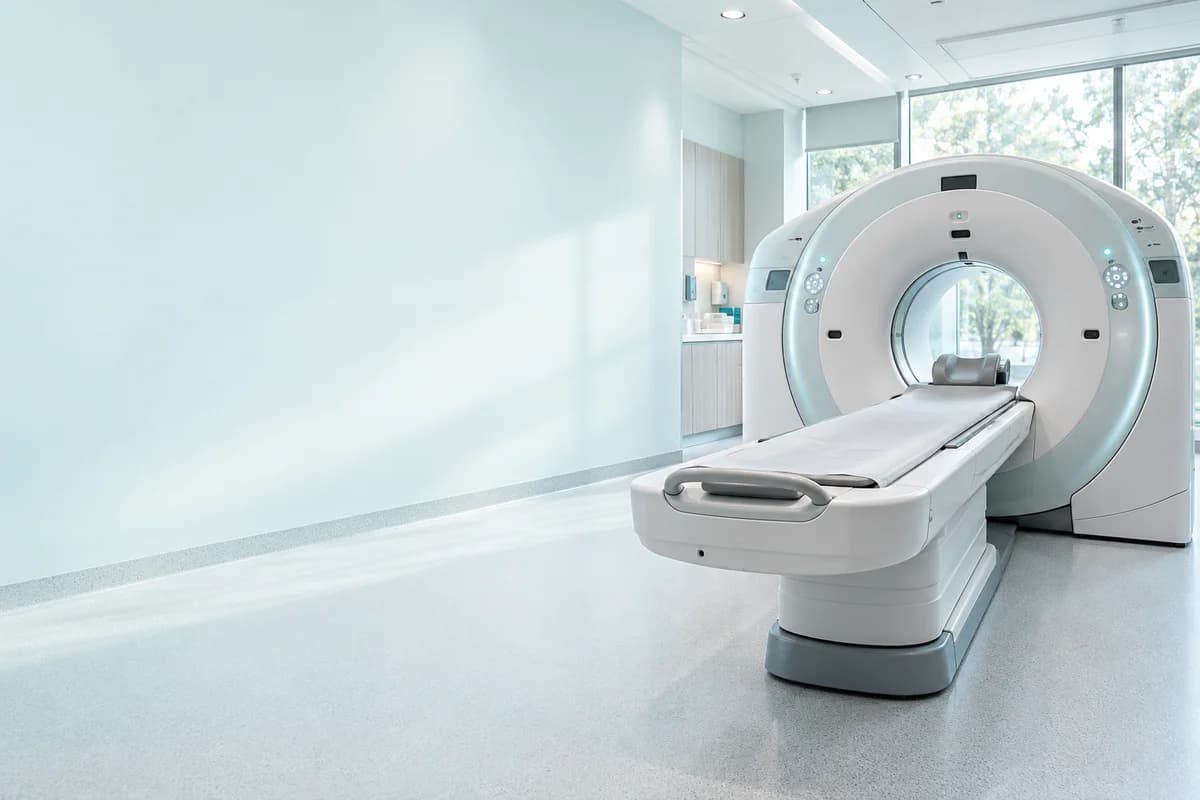
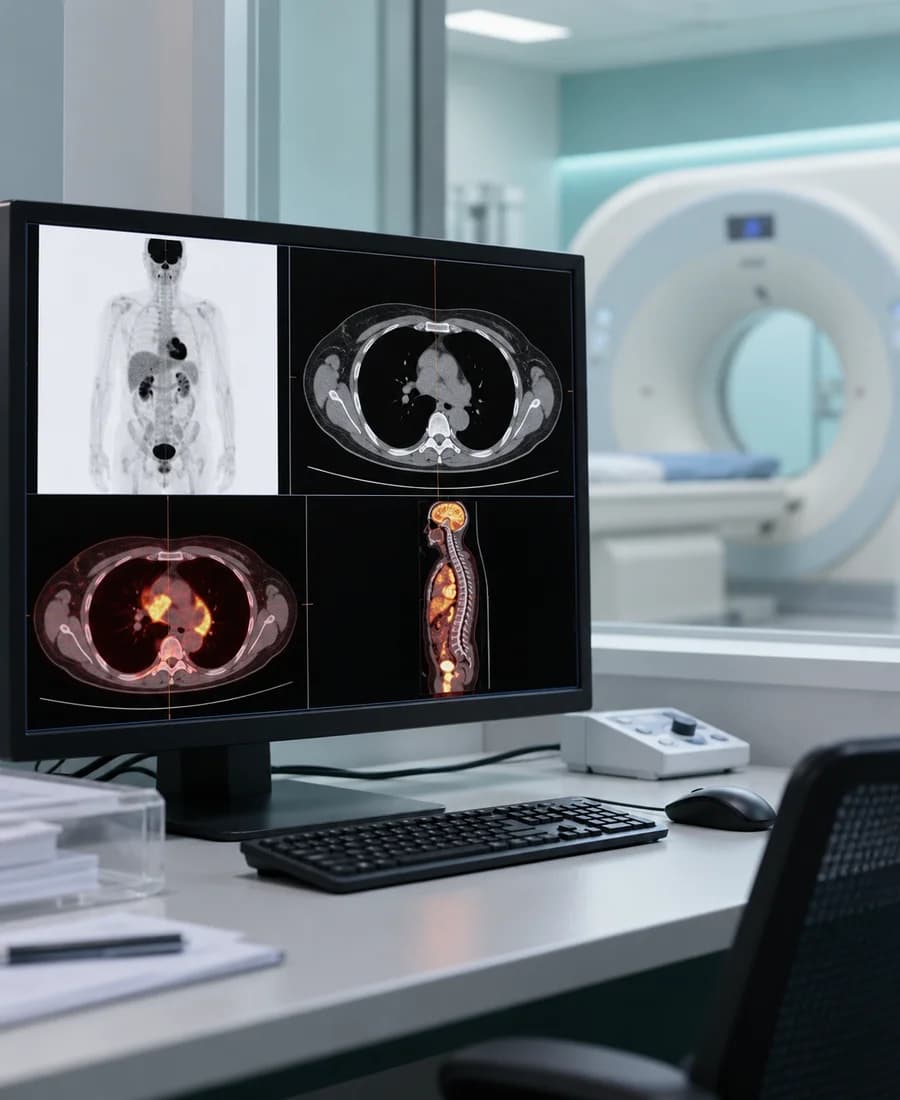
PET-CT brings together information about how tissues function and where changes are located. This combined view helps your doctor understand the findings in the context of your care.
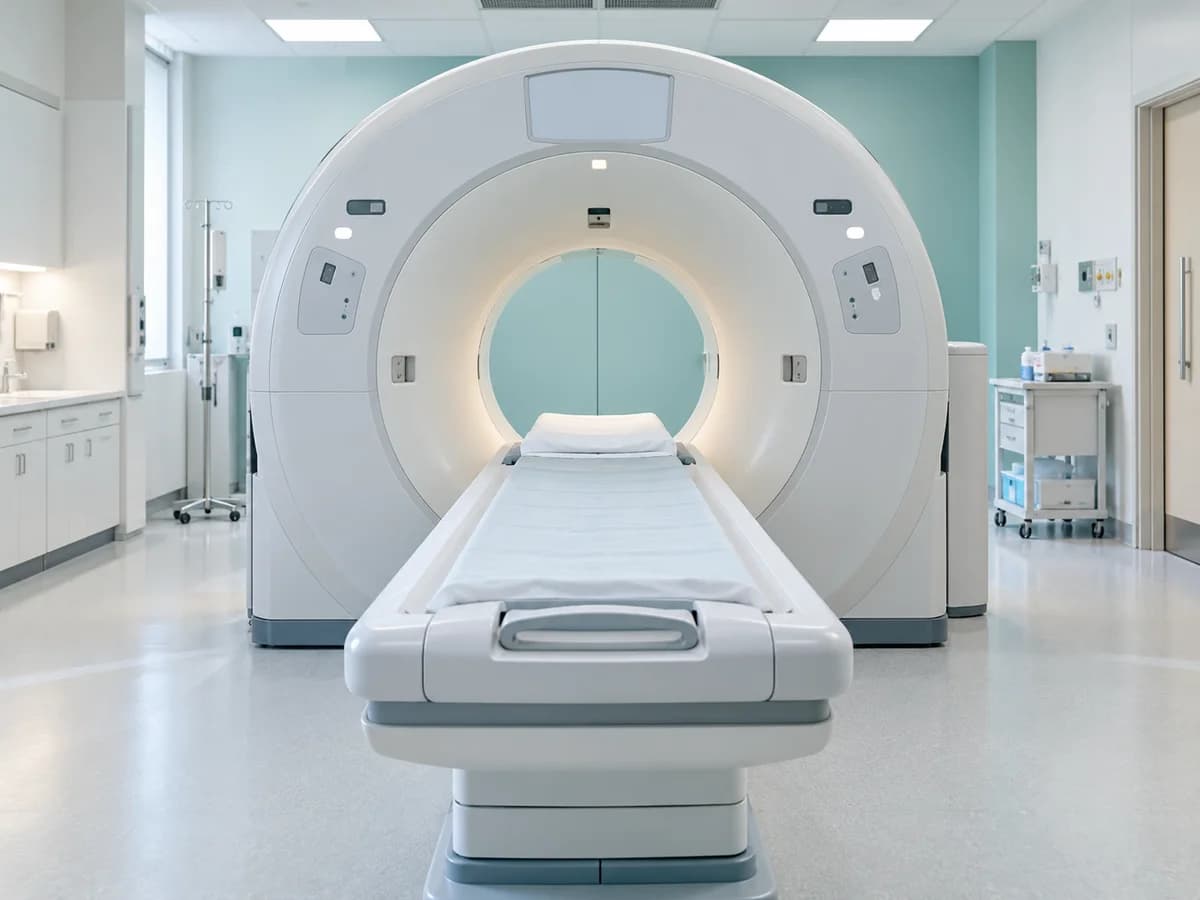
Shows how tissues are functioning by highlighting areas of increased metabolic or receptor activity.
Provides detailed images of the body’s structures, helping to show where changes are located.
Your doctor will advise whether PET-CT is appropriate for you.
Share your details and our team will get in touch.
When PET-CT May Help
Your treating doctor recommends imaging based on your clinical needs.
Staging, restaging, treatment response and surveillance.

Neuroendocrine tumours and prostate cancer with DOTATATE, PSMA and FAPI tracers.

Dementia, epilepsy, movement disorders, myocardial viability and cardiac sarcoidosis.

Fever of unknown origin, infection imaging and skeletal imaging.
Scope of Services
Tracers are chosen to match the clinical question. This list is provided for patients and for referring clinicians.
10 studies
2 studies

2 studies
3 studies
Investigations and therapies are offered based on individual clinical indications, patient suitability and applicable regulatory guidelines.

Your Visit, Step by Step
What happens during a PET-CT visit.
The team reviews your referral and relevant medical history.
A tracer is administered, followed by a resting period.
You lie on the scanner table while images are acquired.
The team explains the next steps and reporting process.
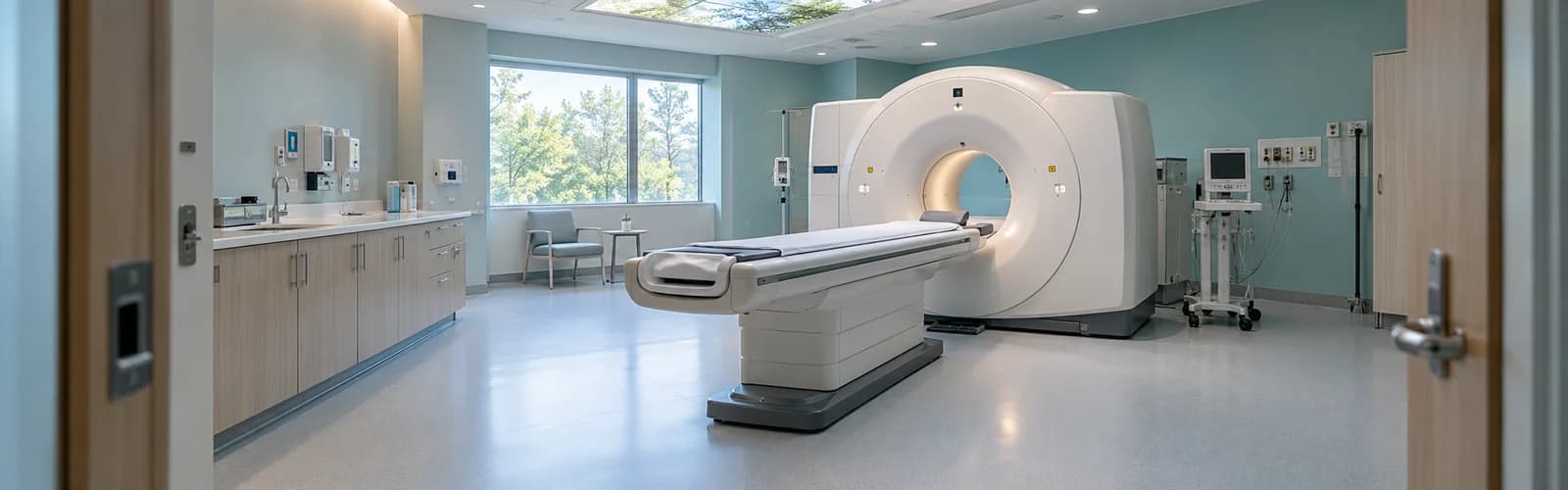
The exact process depends on your scan and clinical needs.
Before Your Visit
Keep relevant records available.
Tell the team about your medicines and any diabetes care.
Follow the instructions given specifically for your scan.
Let the team know before your appointment.
Tell the team about any known allergies or previous reactions.

Preparation varies by scan. Contact the team if you are unsure about any instruction.

For Referring Clinicians
A short guide for referring doctors.
The clinical question, relevant history, histology or biochemistry where available, and previous imaging reports.
FDG covers most oncology, neurological, cardiac and inflammatory indications. Receptor-targeted tracers (DOTATATE/DOTANOC, PSMA, FAPI, FES, FDOPA and others listed above) are used where the clinical question calls for them.
Studies are reported by a nuclear medicine physician, and findings can be discussed with the referring team.
Call or write before referring if you would like to discuss suitability or the most appropriate study.
Questions before you refer? Contact Dr. Sinha directly.

Your consultant
Chairperson of the Department of Nuclear Medicine & Radiotheranostics, with over 25 years in molecular imaging and radionuclide therapy.
Over 25 years in nuclear medicine, leading the Department of Nuclear Medicine & Radiotheranostics.
Certified Radiation Safety Officer (RSO-II) by the Atomic Energy Regulatory Board.
Works alongside referring and treating clinicians on every case.
Dr. Noaline Sinha
Chairperson, Nuclear Medicine & Radiotheranostics
FAQs
Common questions about PET-CT.
PET-CT combines functional information from PET with anatomical detail from CT in one imaging study.
It may be requested to evaluate cancer, assess its extent, review treatment response, investigate suspected recurrence, or study the brain, heart, infection or inflammation. The reason depends on your clinical history.
Follow the instructions supplied for your specific scan. Tell the team about your medicines, diabetes, allergies and any possibility of pregnancy or breastfeeding before your visit.
Your referral and relevant previous scan reports. The team can tell you if anything else is needed when arranging your appointment.
Your referring doctor will usually discuss the findings with you. Contact the team about when your report will be available.

Fill in your details and our team will get back to you to confirm your appointment.

Take the Next Step
Reach out to schedule a personalised consultation or speak with our team. We’re here to guide you with clarity, compassion, and expert care — every step of the way.
Schedule a personalised consultation with Dr. Noaline Sinha at your convenience.
Have questions? Our care team is here to help you with guidance and information.
Consultations are held in person in Gurugram. The team will confirm the details with you.