
Heart and brain
Myocardial perfusion and viability, ventricular function, cerebral perfusion and dopamine transporter imaging.
Gamma Camera & SPECT-CT
Function and structure, seen together.
Functional nuclear medicine studies of the heart, brain, bones, kidneys, liver, thyroid, lungs and more, with SPECT-CT localisation where it helps.
With Dr. Noaline Sinha, Nuclear Medicine & Radiotheranostics.
Artemis Hospital, Sector 51, Gurugram
Understanding gamma camera studies
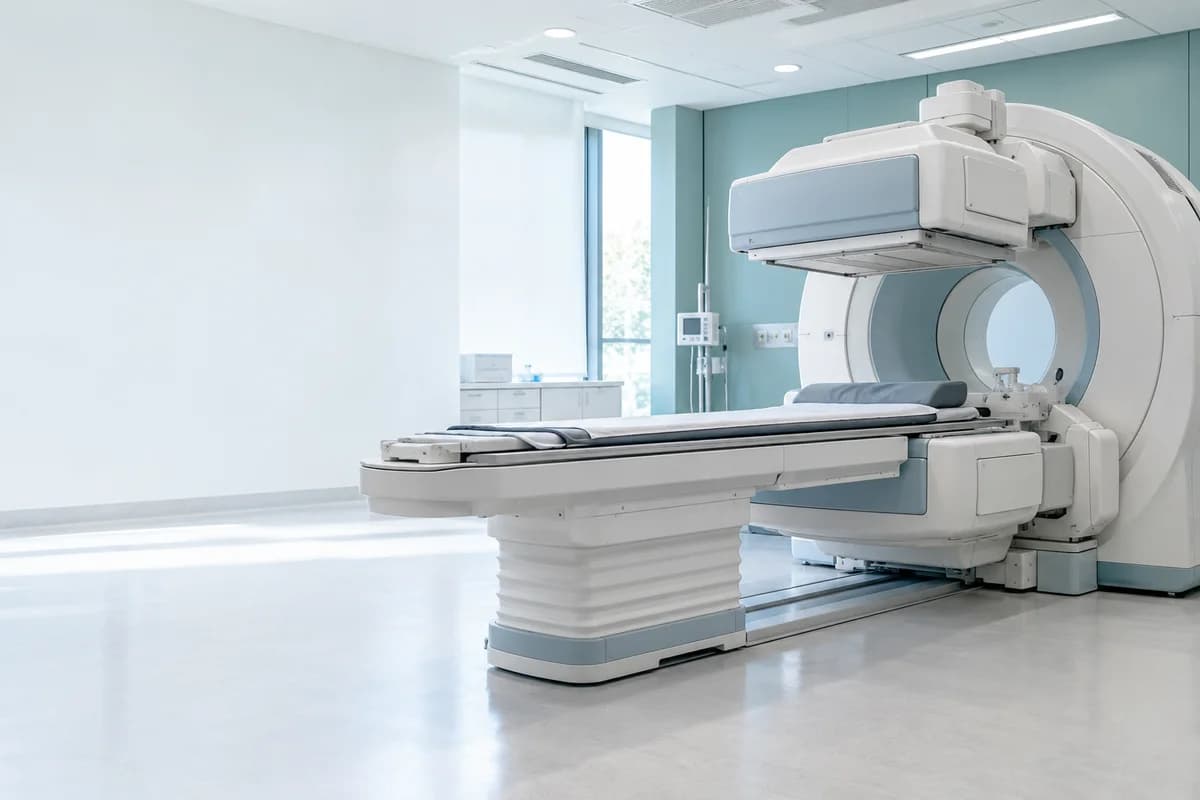
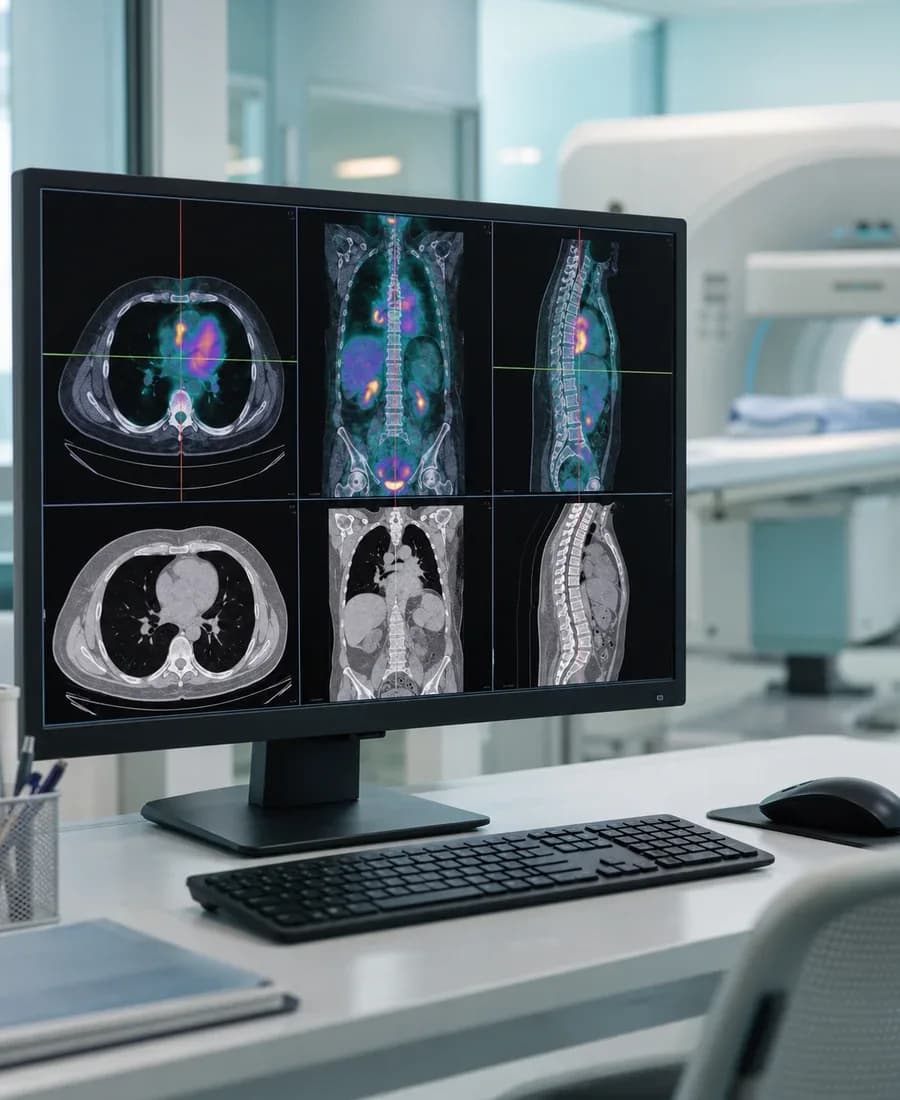
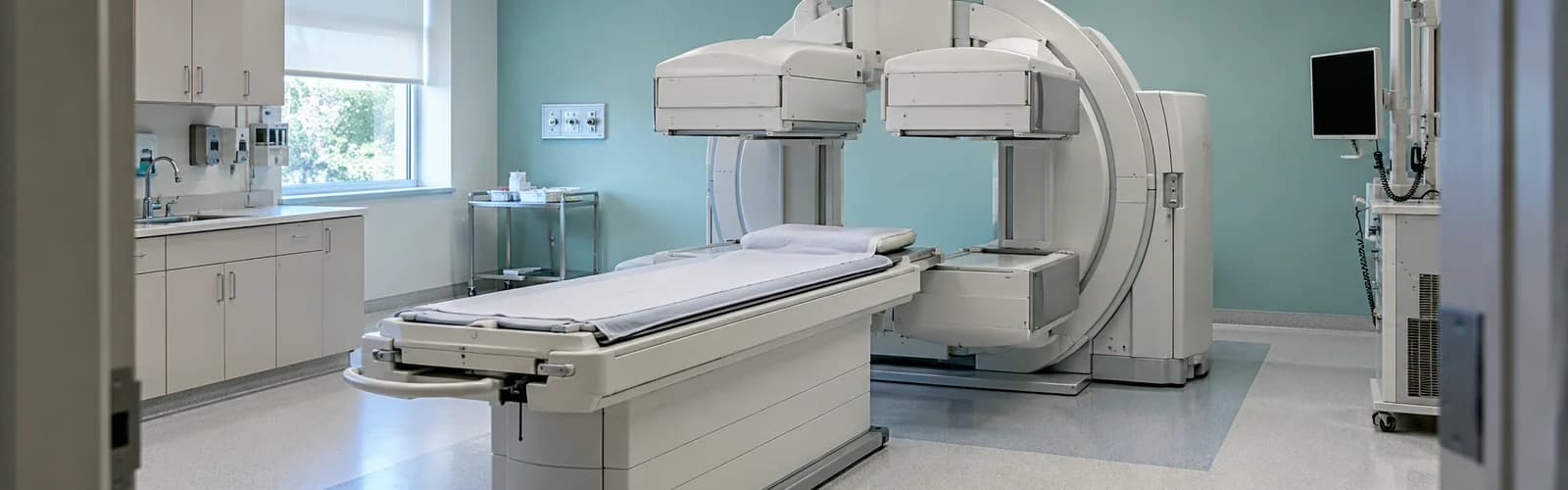
A gamma camera records the signal from a small amount of tracer to show how an organ is working. SPECT-CT adds a CT scan taken in the same visit, so a finding can be placed exactly within the anatomy.
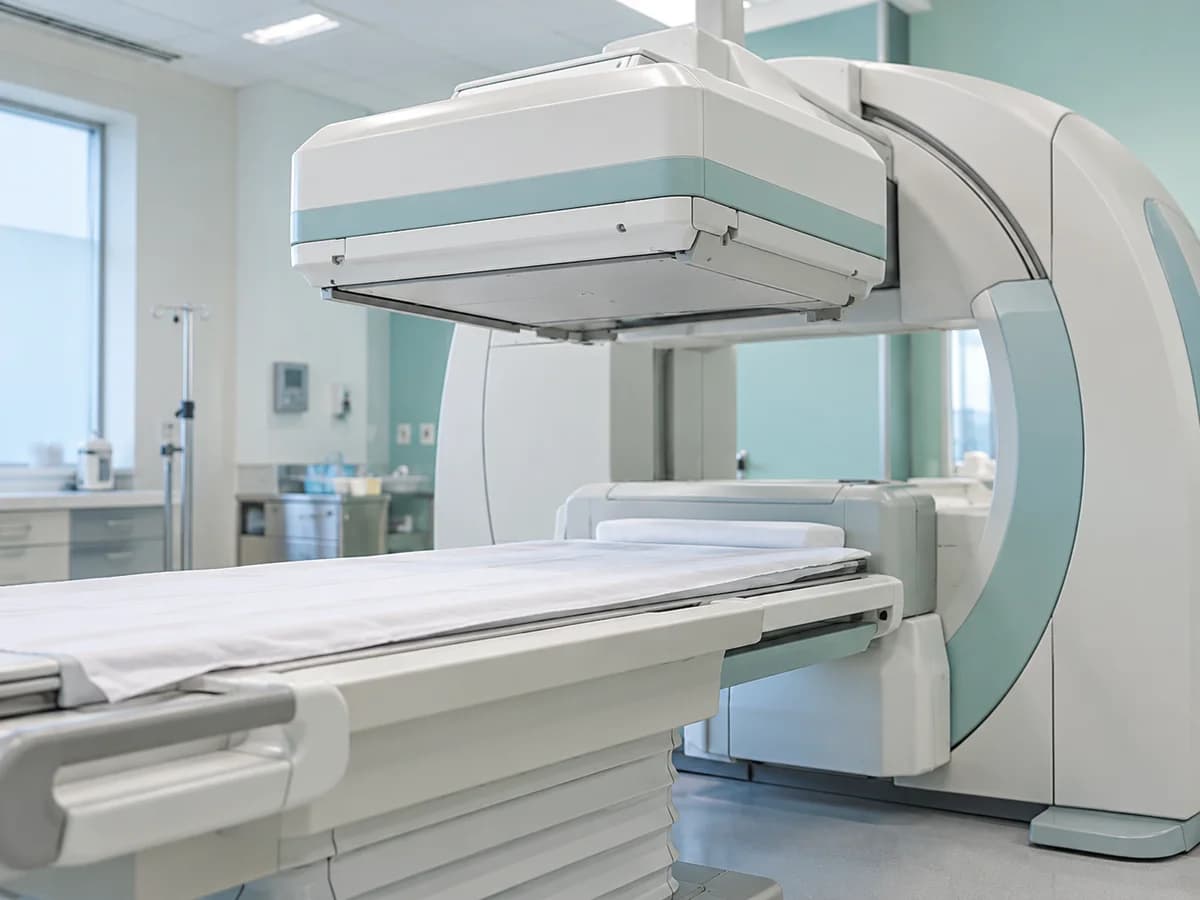
Shows how an organ is working, such as blood flow, filtering, uptake or emptying.
Provides detailed images of the body’s structures, helping to show where changes are located.
Your doctor will advise which study is appropriate for you.
Share your details and our team will get in touch.
When these studies may help
Your treating doctor recommends a study based on your clinical needs.
Myocardial perfusion and viability, ventricular function, cerebral perfusion and dopamine transporter imaging.
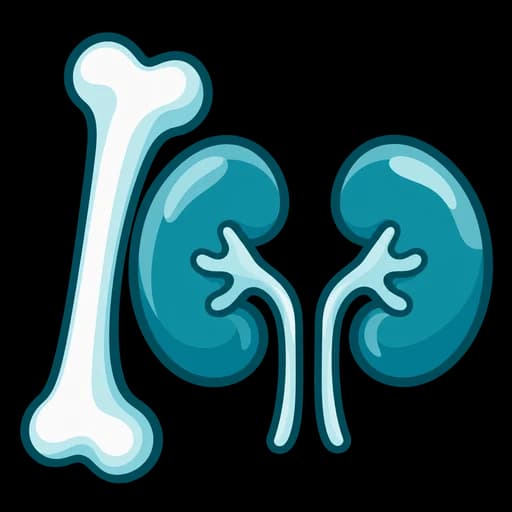
Bone scintigraphy, bone SPECT-CT, renal function, renography and cortical scans.
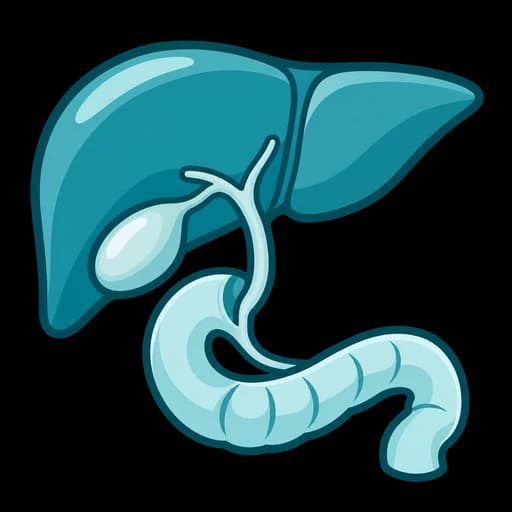
Hepatobiliary studies, bleeding scans, gastric emptying and reflux studies.
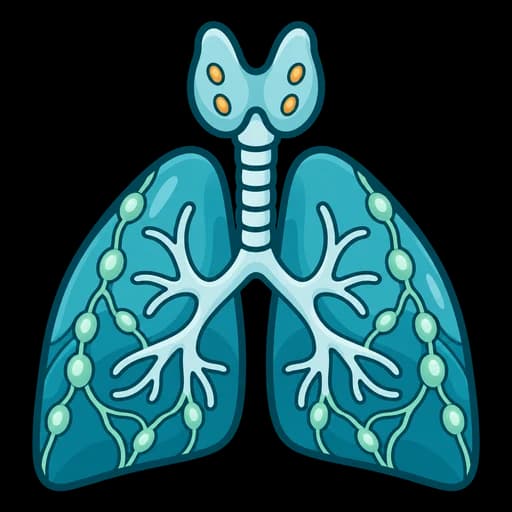
Thyroid and parathyroid imaging, lung perfusion, V/Q scans and sentinel node mapping.
Scope of Services
Grouped by organ system for patients and for referring clinicians.

3 studies
4 studies

4 studies
8 studies
8 studies
6 studies
2 studies
10 studies
Investigations and therapies are offered based on individual clinical indications, patient suitability and applicable regulatory guidelines.

Your Visit, Step by Step
What happens during a gamma camera or SPECT-CT visit.
The team reviews your referral and gives preparation guidance.
A tracer is given, followed by time for it to reach the organ being studied.
You lie still while the camera records images, with a CT scan where needed.
The study is reported and shared with you and your doctor.
The exact process and timing depend on the study.
Before Your Visit
Keep relevant records available.
Some studies need certain medicines to be continued or paused. Tell the team what you take.
Follow the instructions given specifically for your study.
Let the team know before your appointment.

Preparation differs a great deal between studies. Contact the team if you are unsure about any instruction.

For Referring Clinicians
A short guide for referring doctors.
The clinical question, relevant history, current medicines and previous imaging or laboratory reports.
Gated myocardial perfusion SPECT-CT, viability studies and MUGA; cerebral perfusion, TRODAT and tumour-viability SPECT-CT; whole-body, three-phase and SPECT-CT bone imaging.
Dynamic and diuretic renography, DMSA, GFR assessment, HIDA, GI bleeding and gastric emptying studies, thyroid and radioiodine uptake, and parathyroid SPECT-CT.
Quantitative SPECT-CT supports therapy dosimetry, and ⁹⁹ᵐTc-MAA lung shunt assessment is available for TARE planning.
Questions before you refer? Contact Dr. Sinha directly.

Your consultant
Chairperson of the Department of Nuclear Medicine & Radiotheranostics, with over 25 years in molecular imaging and radionuclide therapy.
Over 25 years in nuclear medicine, leading the Department of Nuclear Medicine & Radiotheranostics.
Certified Radiation Safety Officer (RSO-II) by the Atomic Energy Regulatory Board.
Works alongside referring and treating clinicians on every case.
Dr. Noaline Sinha
Chairperson, Nuclear Medicine & Radiotheranostics
FAQs
Common questions about gamma camera and SPECT-CT studies.
A gamma camera scan shows how an organ is working. SPECT-CT adds a CT scan in the same visit so the finding can be placed precisely within the anatomy.
Both combine functional and CT imaging, but they use different tracers and detectors. Your doctor chooses the study that best answers your clinical question.
The tracer dose is small and carefully controlled, and every study follows radiation safety protocols.
Follow the instructions given for your specific study. Tell the team about your medicines and any possibility of pregnancy or breastfeeding.
It depends on the study, because some need waiting time after the tracer is given. The team will tell you in advance.

Fill in your details and our team will get back to you to confirm your appointment.

Take the Next Step
Reach out to schedule a personalised consultation or speak with our team. We’re here to guide you with clarity, compassion, and expert care — every step of the way.
Schedule a personalised consultation with Dr. Noaline Sinha at your convenience.
Have questions? Our care team is here to help you with guidance and information.
Consultations are held in person in Gurugram. The team will confirm the details with you.