Chairperson, Department of Nuclear Medicine and RadiotheranosticsArtemis Hospital, Gurugram, Haryana
Precision in Diagnosis.Purpose in Treatment.
Advancing personalised cancer care through molecular imaging and targeted radionuclide therapies.
- Molecular ImagingAccurate Diagnosis
- TheranosticsTargeted Treatment
- Personalised CareEvidence Based

About Dr. Noaline Sinha
Where advanced sciencemeets compassionate care.
Clinical leadership, innovative molecular imaging and precision radiotheranostics.
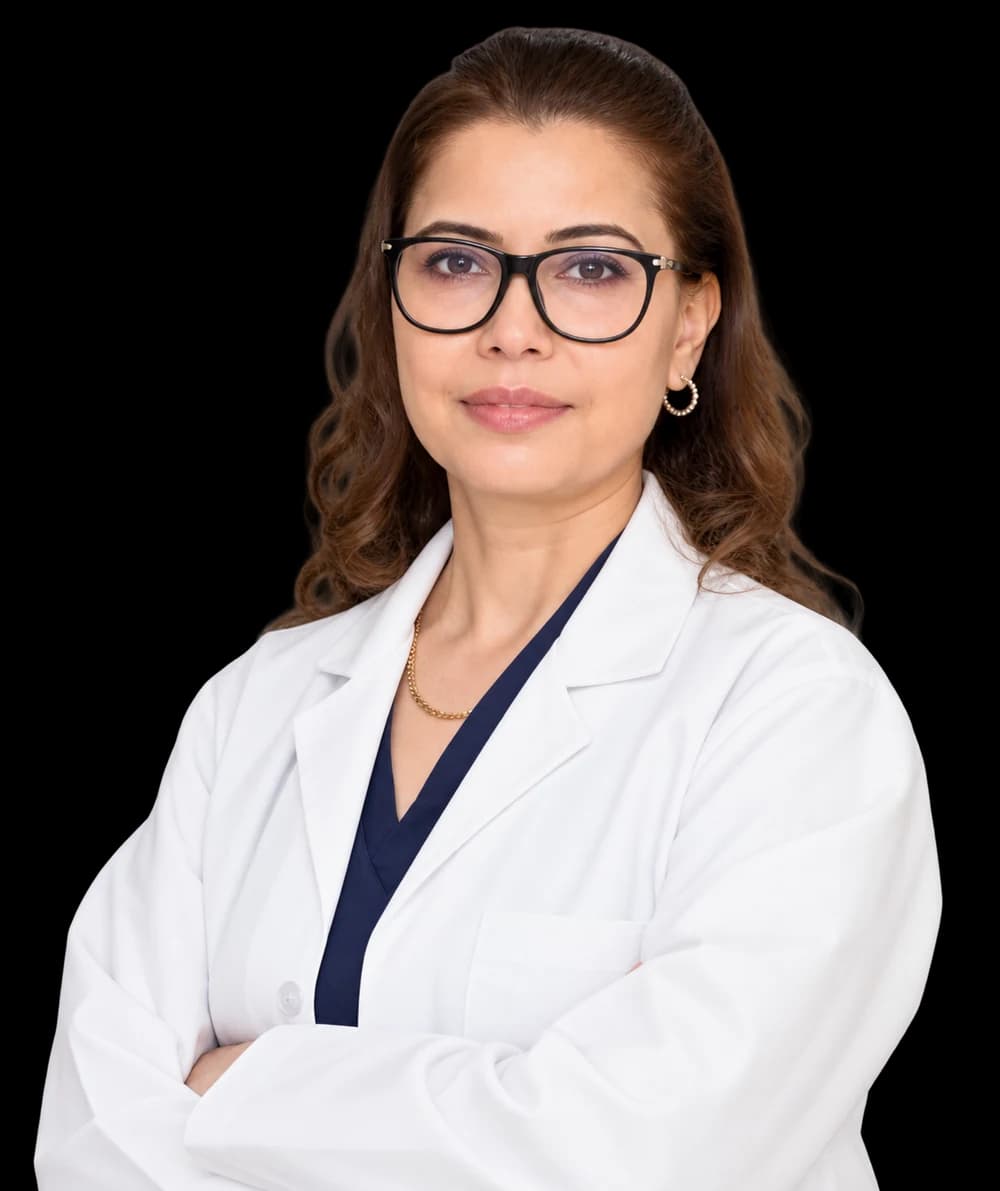
Accomplished healthcare leader with over 25 years of experience in clinical medicine, hospital administration and governance. As Chairperson of the Department of Nuclear Medicine and Deputy Chief, Medical Services at Artemis Hospital, Gurugram, she has built high-performing teams, spearheaded Theranostic services and ensured compliance with quality, safety and statutory standards.
- ChairpersonNuclear Medicine & Radiotheranostics
- Deputy ChiefMedical Services, Artemis Hospital
- Past PresidentSNMI Northern Chapter
- NABH & AERBQuality & Radiation Safety
Scope of Services
Nuclear medicine and molecular imaging.
Diagnostic imaging and targeted therapy, organised by modality. Each page lists the studies offered, for patients and for referring clinicians.
PET-CT & Molecular Imaging
Metabolic and receptor-based PET-CT for oncology, neurology, cardiology and inflammation.
- FDG whole-body PET-CT for oncology
- PSMA, DOTATATE and FAPI PET-CT
- Brain and cardiac PET-CT
- Infection, inflammation and skeletal imaging
Gamma Camera & SPECT-CT
Functional studies of organ systems, with CT localisation where it helps.
- Myocardial perfusion, viability and MUGA
- Bone scintigraphy and bone SPECT-CT
- Renal, hepatobiliary and gastrointestinal studies
- Thyroid, parathyroid, lung and lymphatic imaging
Radionuclide Therapy & Theranostics
Targeted therapy planned around the scan, with dosimetry and follow-up.
- PRRT with ¹⁷⁷Lu-DOTATATE
- PSMA and FAPI targeted therapy
- Radioiodine therapy
- Therapy dosimetry and follow-up



Theranostics
See it. Target it.Treat it precisely.
Theranostics uses one molecular target for both the scan and the therapy, so treatment is planned around what your scan shows. It is a central part of Dr. Sinha’s practice.
- PRRT¹⁷⁷Lu-DOTATATE therapy for neuroendocrine tumours.
- PSMA therapy¹⁷⁷Lu-PSMA and ²²⁵Ac-PSMA targeted therapy for prostate cancer.
- FAPI therapy¹⁷⁷Lu-FAPI targeted radionuclide therapy.
- Radioiodine therapy¹³¹I for hyperthyroidism and differentiated thyroid carcinoma.
- DosimetryQuantitative SPECT-CT to individualise and review therapy.
Journey & Credentials
Two decades of clinical leadership.
From registrar to department chair — a career built on precision, safety and patient care.
2002–2005
Registrar, Nuclear Medicine
Apollo & Batra Hospitals
2005–2011
Consultant, Nuclear Medicine
Max Hospital, Saket, Delhi
2011–PresentCurrent
Chairperson & Senior Consultant
Artemis Hospital, Gurugram
2022–2025
President, SNMI Northern Chapter
Society of Nuclear Medicine India
Oct 2026–PresentCurrent
Deputy Chief, Medical Services
Artemis Hospital, Gurugram
Education & Certifications
- MBBSLady Hardinge Medical College, Delhi
- Diploma in Radiation Medicine (DRM)INMAS, Delhi
- PG Diploma, Hospital & Healthcare ManagementSymbiosis International University · First Class with Distinction
- Radiation Safety Officer (RSO-II)Atomic Energy Regulatory Board (AERB)
- NABH Implementation for Medical ImagingCertification Programme, 2017
Deputy Chief, Medical Services
Responsibility beyond the department.
Alongside leading the Department of Nuclear Medicine, Dr. Sinha serves as Deputy Chief, Medical Services, with responsibility for:
Medical Administration
Coordination between clinical departments and hospital administration.
Clinical Governance
Protocols, clinical audit and quality assurance that keep care consistent and safe.
Accreditations
Meeting and maintaining AERB, NABH and JCI standards across services.
Patient Grievance Management
Reviewing patient concerns and complaints so that they are heard and resolved.
Clinical Research
Supporting research activity, including through the Scientific Research Committee.
Clinician Engagement
Recruitment, mentoring, credentialing and appraisal of clinicians.
Hospital Committees
Active member of 5 committees
- External Transplant Committee
- Scientific Research Committee
- Radiation Safety Committee
- Grooming Committee
- Artemis AI Standing Committee
Past member: Internal Complaints Committee (POSH) · Data Safety and Management Board (DSMB)
Academic Engagement & Professional Contributions
Teaching, mentoringand professional service.
Society of Nuclear Medicine India, Northern Chapter
President, 2022–2025
Led the chapter’s academic activity and outreach across North India.
CME programmes and scientific meetings
Organised continuing medical education and scientific meetings that bring departments and institutions together.
Training and mentoring
Academic programme development for Nuclear Medicine Technician training and certification (NMTT), and mentoring of consultants, residents and staff.
Research and innovation committees
Member of the Scientific Research Committee and the Artemis AI Standing Committee.
Patient Education
Know what to expect, before you arrive.
Plain-language explanations for patients and families, written to be read before an appointment.
- 1
Your PET-CT scan
How the scan works, why it is requested and what the images can show your doctor.
Read more: Your PET-CT scan - 2
Radionuclide therapy
How targeted treatment is planned, given and followed up, from radioiodine to PRRT and PSMA therapy.
Read more: Radionuclide therapy - 3
Preparing for your visit
What to tell the team, what to bring and how instructions differ from one study to another.
Read more: Preparing for your visit - 4
Radiation safety
How doses are kept low and which precautions apply to you and your family after a study or therapy.
Read more: Radiation safety - 5
Follow-up
How results are reported, who explains them and how your response to treatment is reviewed.
Read more: Follow-up
FAQs
Questions,answered clearly.
Common questions about nuclear medicine scans and theranostics. Still unsure? We are happy to help.
A PET-CT scan combines functional (PET) and anatomical (CT) imaging to show how tissues are working, helping detect and stage disease accurately.
Nuclear medicine uses small, carefully controlled amounts of radioactive tracers. Every procedure follows AERB radiation safety protocols, and your care team will explain any precautions specific to your test.
Preparation depends on the type of scan. You may be asked to fast for a few hours and to share your medications and medical history. Our team will give you clear instructions when your appointment is confirmed.
Theranostics pairs diagnostic imaging with targeted radionuclide therapy using the same molecular target, so treatment can be planned around what the scan shows.
Timings vary by procedure. Including preparation and tracer uptake time, most scans take a few hours. You will be told the expected duration in advance.
Most nuclear medicine procedures are requested by a treating doctor. If you are unsure, book a consultation and we will guide you on the next steps.

Book an Appointment
Request aconsultation.
Share a few details and we will get back to you to confirm a time.
- VisitArtemis Hospital, Sector 51, Gurugram, Haryana 122001
- Call+91 98185 14479
- Emailinfo@drnoalinesinha.com
Request a Consultation
Fill in your details and we will call you to confirm a time.